
Our impact
Fields Energy’s safety, environmental, employment and community practice around fuel supply and transport.
Handling and safety
Handling arrangements are agreed before commercial terms are agreed.
Safe handling is a condition of every job Fields Energy takes on, for drivers, site crews and the communities along a route.
Drivers are trained in spill management and emergency response before they take a first load out of the depot.
Containment is agreed before we commission any installation. We monitor every load in transit, so we can act on a problem while the vehicle is still moving.
We write our own vehicle and handling procedures. If a handling check cannot be completed, we don’t release the product.
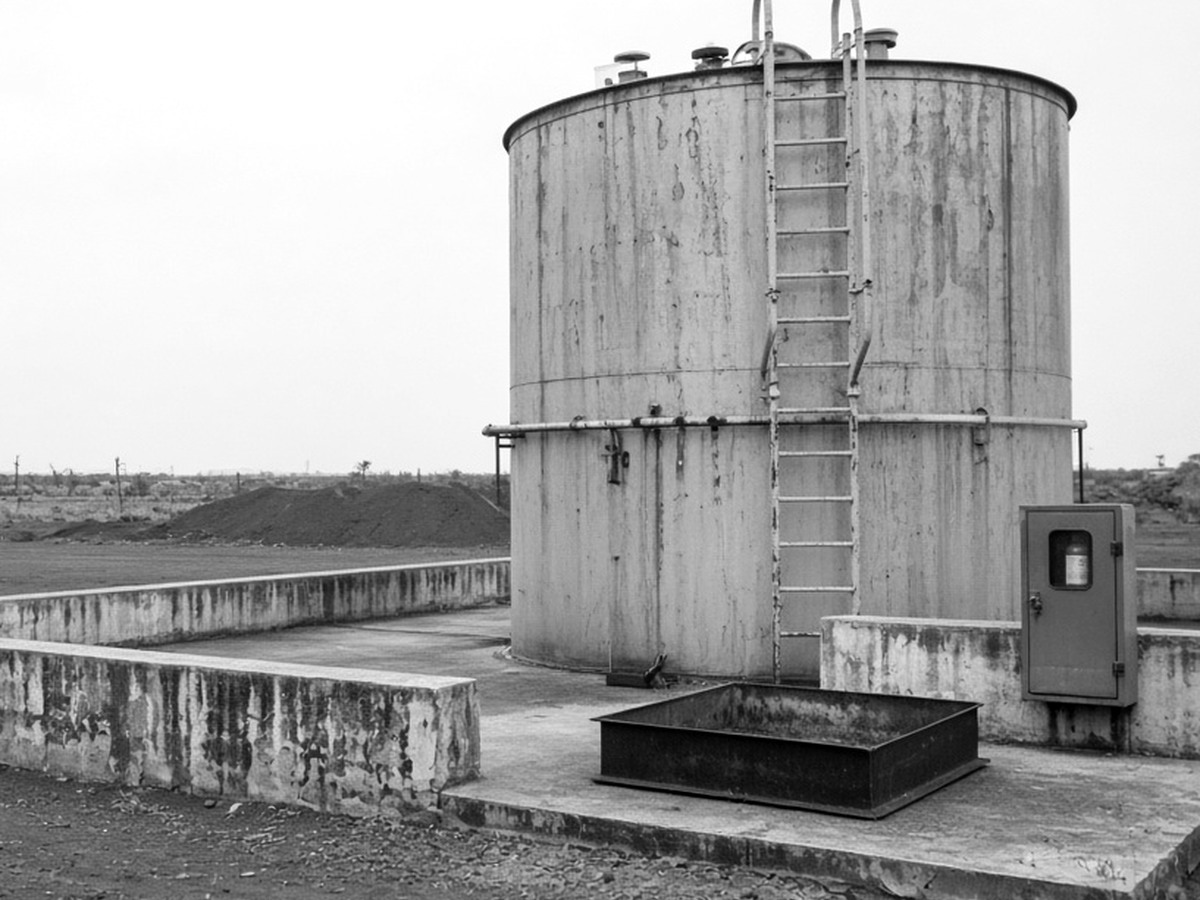
Containment and spill control
Loading and discharge are the two points at which a spill is most likely. Fields Energy supervises both.
Where Fields Energy installs storage on a customer’s site, the bund is sized to the tank and inspected for as long as it is in use. Fuel that has taken up water is treated as off specification.
Read the HSE statement
We hire and train locally
The fleet, depot and installation teams are staffed from the Copperbelt.
Fields Energy trains people into the tanker driving role and also hires drivers who already hold the licence.
The technicians who commission dispensing equipment are trained on the systems they fit, and attend the site when a fault is reported.
Tanker routes pass through towns along the way. Routing is planned around school times, market days and the busiest hours in a village.
A complaint about how a tanker was driven is checked against the tracking record, and the outcome is reported to the person who raised it.
Practices we record
These four practices apply on every account, and the record for each is available on request.

Driver training

Containment inspection

Incident investigation

Local recruitment
Reporting a concern
Concerns about a vehicle, a site or a delivery go directly to the depot team.